 SWAT TEAM
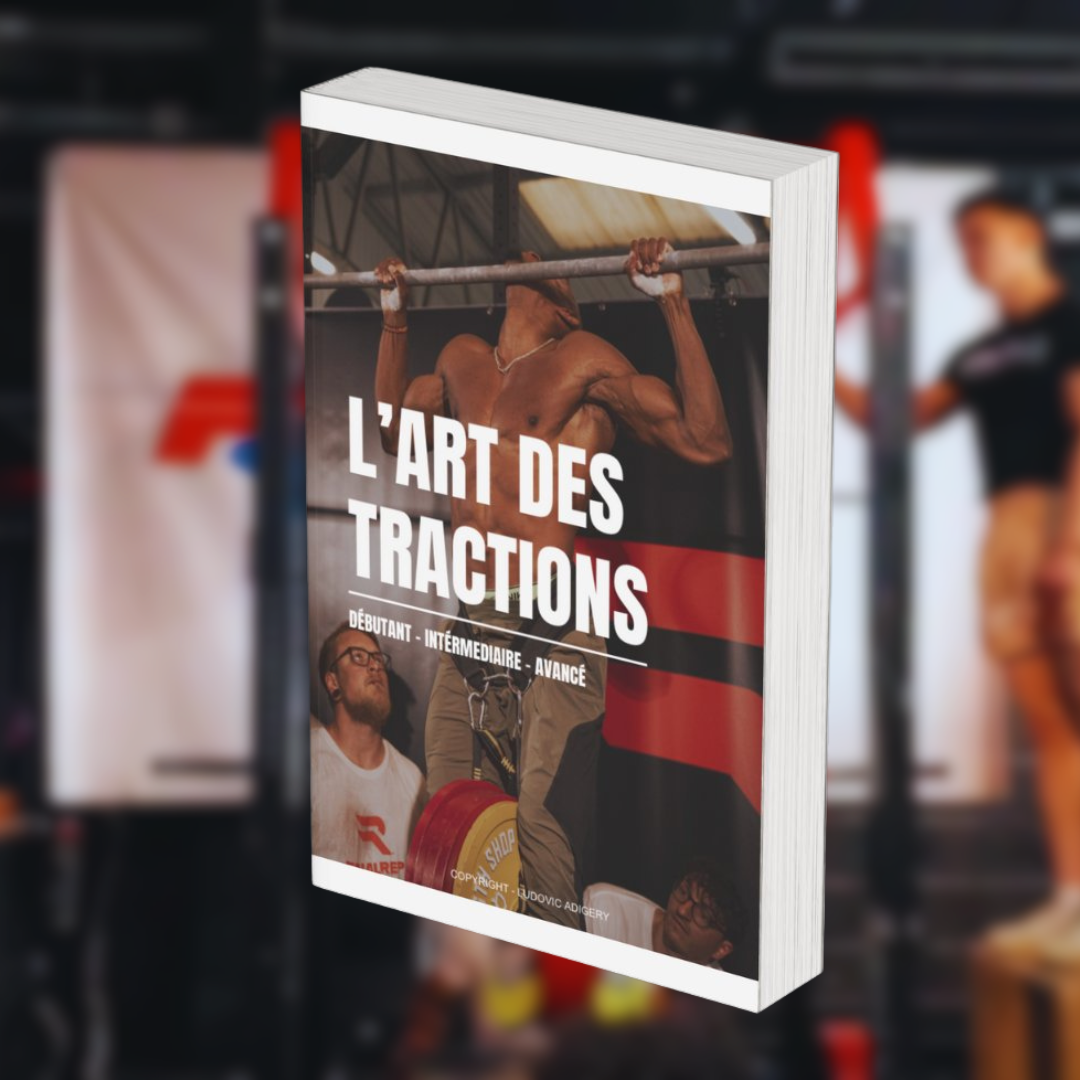
Streetlifting Program SWATT
A 3-month program, 4 key movements. By Nico, SWAT TEAM founder.
- 3 months - 3 phases
- 4 sessions / week
- 20+ technique videos
- Integrated 1RM calculator
- Lifetime access
- All levels

payment
access
access
method
 Weighted Muscle Up
 Weighted Pull-Up
 Weighted Dips
 Squat
Squat
What is Streetlifting?
Streetlifting is a strength sport that merges calisthenics (bodyweight training) and weighted resistance training. Born out of the evolution of street workout, the sport consists of performing classic bodyweight movements - weighted pull-ups, weighted dips, weighted muscle ups, squats - with additional external loads to push the limits of strength.
Unlike traditional street workout, which focuses on gymnastic skills (planche, front lever, handstand), streetlifting is centered on maximum strength. The competition objective: lift the heaviest possible load for a single repetition (1RM) or complete the maximum number of reps with a set load.
It sits halfway between powerlifting and bodyweight control. Competitions are organized by federations such as FinalRep or the ISF (International Streetlifting Federation), with an "All 4" format that includes all four reference movements. The sport has grown rapidly in recent years, with active communities in France, Eastern Europe and the United States.
The 4 Core Streetlifting Movements

Weighted Muscle Up
The most technical and spectacular movement. Explosive pull-up + transition + dip. Dead hang required.

Weighted Pull-Up
The king of upper-body pulling. Lats, biceps, rhomboids. Full range of motion and explosive drive.

Weighted Dips
The benchmark pushing movement. Chest, triceps, anterior deltoids. The most impressive loads in competition.

Squat
Lower-body strength. Quads, hamstrings, glutes. Sometimes beyond 200 kg for elite athletes.
Weighted Muscle Up
The most technical and spectacular movement in streetlifting. It combines an explosive pull-up followed by a transition above the bar to finish in a dip position. In competition, rules are strict: start in full dead hang, no kipping allowed, smooth and controlled movement. Mastering the bodyweight muscle up is a prerequisite before attempting the weighted version.
Weighted Pull-Up
The king of upper-body pulling. You hang from a bar in pronated grip (palms facing away) and pull until your chin clears the bar, with a loaded dip belt. This movement works the lats, biceps, rhomboids and forearms. The key: complete control of the movement, full range of motion and an explosive drive.
Weighted Dips
The benchmark upper-body pushing movement. On parallel bars, you lower until your shoulders drop below your elbows, then press to full lockout. Weighted dips target the chest, triceps and anterior deltoids. This is often the movement where the most impressive loads are moved in competition.
Squat
The only streetlifting movement that is not performed on a pull-up bar or parallel bars. The barbell squat tests lower-body strength: quads, hamstrings, glutes, lower back. In competition, the hip crease must drop below the knee. This is the movement where the heaviest loads are lifted, sometimes beyond 200 kg for elite athletes.
Prerequisites for Starting a Streetlifting Program
Before launching into a streetlifting program, you must master certain prerequisites. Adding weight without a solid technical base is a direct path to injury and stagnation.
Technical Prerequisites
Here are the recommended minimum levels before adding weight:
- -> Weighted muscle up: 1 clean muscle up minimum, ideally 3 to 5 consecutive reps
- -> Weighted pull-up: 10 clean reps minimum, ideally 15+ in pronated grip
- -> Weighted dips: 10 clean reps minimum, ideally 15+ in full range of motion
- -> Squat: full bodyweight squat mastered, ideally barbell squat at 1x BW
If you have not yet reached these levels, focus first on building bodyweight strength.
Essential Equipment
- -> Dip belt: the streetlifter's #1 tool for attaching weight plates
- -> Wrist wraps and elbow sleeves: joints take a lot of stress
- -> Chalk: solid grip on the bar, especially for pull-ups and muscle ups
- -> Flat, stable shoes: essential for squats, rigid sole required
Streetlifting Program - Sample Week
Day 1 Muscle Up, Pull-Up & Dips
| Exercise | Sets/Reps | Load |
|---|---|---|
| Weighted muscle up | 1 rep | 90% |
| Descending MU | 4x5 | 70%->50% |
| Weighted pull-up | 3-4-6 | 85%-75%-65% |
| Weighted dips | Max + drop | 80%->60% |
Day 2 Pull-Ups & Squat
| Exercise | Sets/Reps | Load |
|---|---|---|
| Bodyweight pull-up | 3x12 | - |
| Squat | 1-1-1 + 3x5 | 85->95% + 82% |
| Leg accessory work | 4x10 | - |
Day 3 Pull-Up & Chest
| Exercise | Sets/Reps | Load |
|---|---|---|
| Weighted pull-up | 3x3 | 90% |
| Bench press | 3x6 | 80% |
| Larsen press | 3x5 | 60% |
Day 4 Muscle Up & Dips
| Exercise | Sets/Reps | Load |
|---|---|---|
| MU pyramid | 2-4-6-8-6-4-2 | - |
| Weighted dips | 10 + 4x10 | 65%-55% |
| Arm accessory work | 4x10 | - |
Ready to Take It to the Next Level?
This one-week program is a starting point. To make lasting progress in streetlifting, you will need to build in a multi-week periodization logic. The idea: alternate 4-to-6-week accumulation cycles with intensification phases, then a deload week to let the body recover and supercompensate.
Proven methods such as 5x5 (ideal for beginners), Wendler 5/3/1 (perfect for intermediates) or descending-load protocols let you structure your long-term progression. The essential rule is never to stay on the same program too long: the body adapts and without a change in stimulus, progress stalls.
If you want to go further, Nico's (SWAT Team) complete program offers 12 weeks of full periodization with progressions adapted to your level and strength, hypertrophy and peaking cycles.
Tips for Progressing in Streetlifting
Prioritize Technique Before Load
This is the golden rule of streetlifting. Poor form with heavy loads equals guaranteed injury. Master every movement with full range of motion and total control before adding a single kilogram.
Apply Progressive Overload
Increase your load every 1 to 2 weeks, even by just 1 or 2 kg. Consistency always beats sporadic intensity. Log every session in a notebook to track your progress and identify plateaus.
Manage Your Recovery Like a Pro
Streetlifting is extremely taxing on the central nervous system and joints. Respect your rest days, sleep 7 to 8 hours a night and include regular deload weeks (one light week every 4 to 6 weeks).
Nail Your Nutrition
Prioritize protein (1.6 to 2 g per kg of bodyweight), complex carbohydrates for energy, and stay well hydrated. Without adequate nutritional intake, progress will be limited.
Strengthen Stabilizer Muscles
The rotator cuff, abs, lower back and scapular muscles are your safety guards. Include face pulls, band pull-aparts, core holds and shoulder mobility work in every session.
Integrated 1RM Calculator
Know your 1RM before you start. The calculator handles everything automatically.

Streetlifting Program FAQ
Coach Nico

Nico, SWAT TEAM
Founder of the #1 team in France. 200+ athletes, French and World Champions.
Start your transformation