Squat – The Complete Guide: Strengthen Your Quads and Glutes
Welcome to this comprehensive guide dedicated to the squat. If you are looking for a versatile exercise to strengthen your quadriceps and glutes, you are in the right place. In this in-depth article, we will explore the world of the squat in detail – from its definition to its many variations, covering the benefits it offers and the gear that can maximise its effects.
What is a squat?
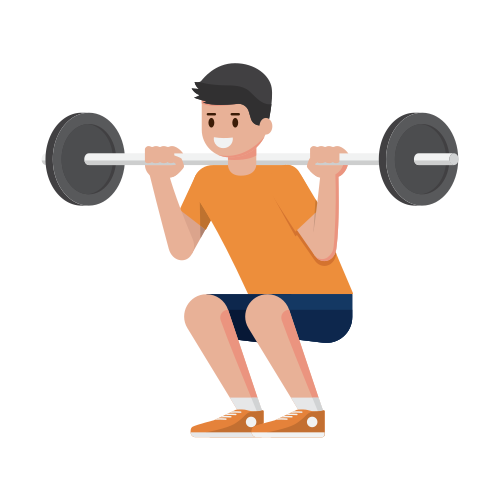
The squat is far more than a simple strength exercise. It is a fundamental movement that engages multiple muscle groups, promoting the development of the quadriceps, hamstrings, glutes, and core stabilisers. This versatility makes it an essential exercise for anyone who wants to build functional strength. Picture yourself standing with feet shoulder-width apart, bending your knees and hips simultaneously while maintaining a proper upright posture. The squat consists of a controlled descent until your thighs are parallel to the floor (or below), followed by a drive back up through your heels. It can be adapted to different fitness levels, making it accessible to everyone.
How to perform a squat
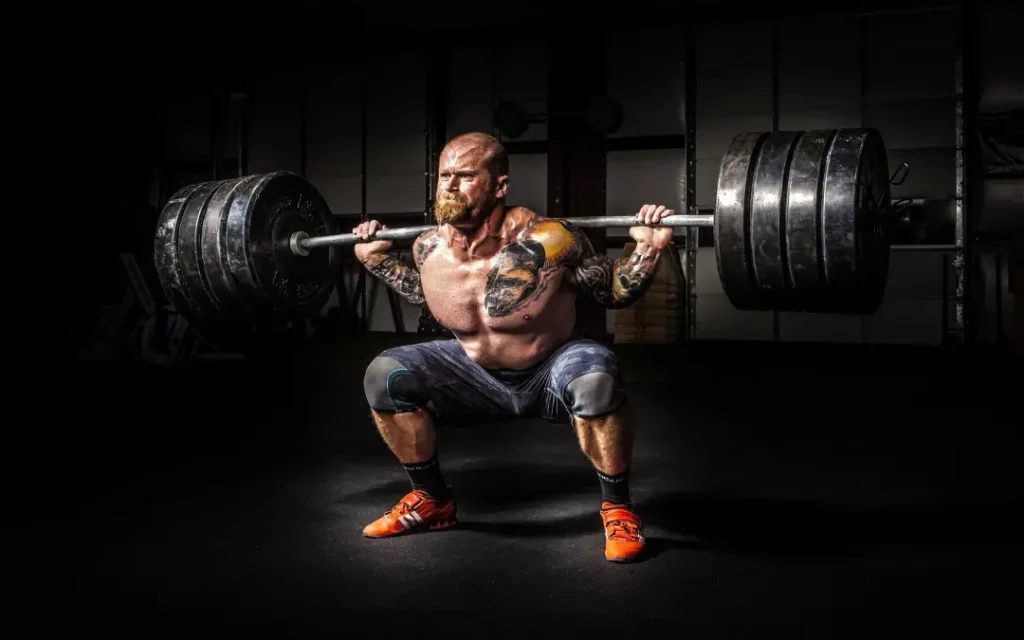
To execute a perfect squat, technique is everything. Start by positioning your feet shoulder-width apart with your toes turned slightly outward. Bend your knees and hips simultaneously while keeping your back straight. Lower slowly, keeping the weight through your heels, then drive back up through them. Good technique not only delivers optimal results but also reduces the risk of injury.
Benefits of the squat
Adding the squat to your training routine comes with a wide range of benefits. First, it effectively targets the leg and glute muscles, promoting their development and reinforcing overall body stability. In addition, the squat helps improve hip mobility, strengthens the core, and is a powerful ally for calorie burning, contributing to weight management.
The benefits do not stop there. The squat is a functional exercise that carries over directly into daily life, making movements such as rising from a chair or picking objects off the floor easier. It has also been associated with improved posture and joint health – particularly in the knees – when performed correctly.
Progressing at the squat
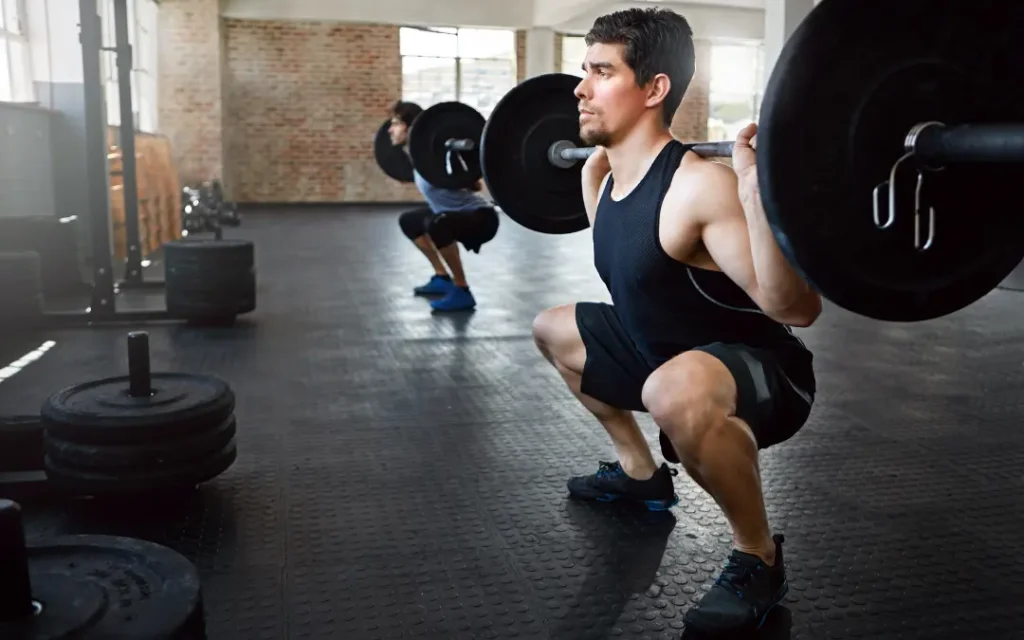
In this section, we will explore the nuances of squat progression – from understanding which muscles are involved to increasing resistance – to guide you toward steady improvements in strength and fitness.
You can also follow our squat program and unlock new milestones on this movement.
Muscles worked
A thorough understanding of the muscles recruited during a squat can direct your training toward balanced muscle growth. The quadriceps, located at the front of the thigh, are heavily engaged during knee extension. The hamstrings, at the back of the thigh, work during knee and hip flexion. The glutes are recruited on the way up, contributing to the overall power of the movement. The core stabilisers – including the abdominals and the lower back – maintain spinal stability throughout the exercise.
Building strength
To build squat strength, gradual progression is the key. Start with bodyweight, making sure you have mastered the technique. Then progress to adding dumbbells or a barbell, increasing the load gradually. Strength development also requires adequate recovery, so make sure you include rest periods in your training programme.
How many sessions per week
The optimal squat frequency depends on various factors, including your fitness level, your goals, and your overall training routine. Start with one squat session per week. Once you are comfortable with the movement, add a second. When preparing for a competition, you can work up to three squat sessions per week.
Gear for the squat
To optimise your squat sessions, you can use various pieces of equipment that provide additional support and safety.
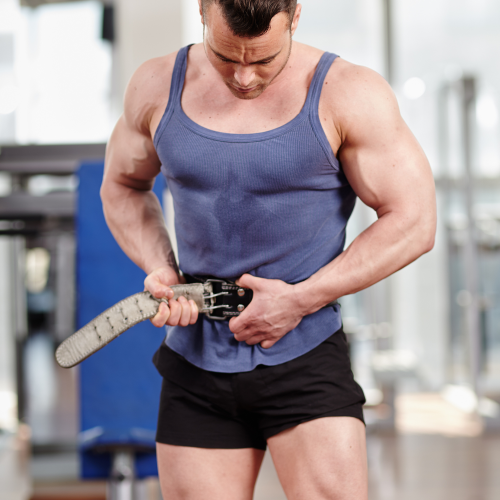
Lifting belt
A lifting belt provides support to the lower back, reducing strain in that area during the exercise. You can increase your loads while staying braced, allowing you to improve your performance.
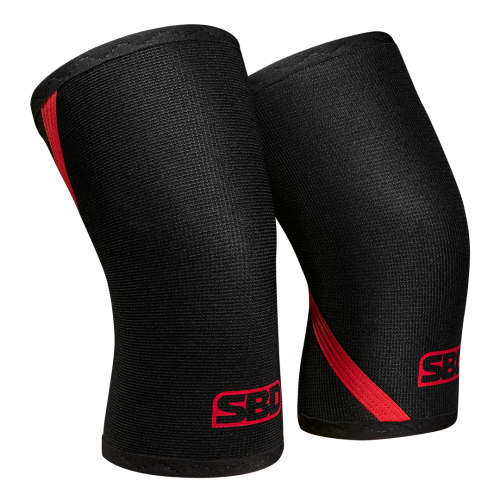
Knee sleeves
Knee sleeves give you rebound on the way up, helping the ascent and keeping your knees on the correct path. They can prevent injuries by retaining heat around the knees, ensuring better blood flow and joint protection.
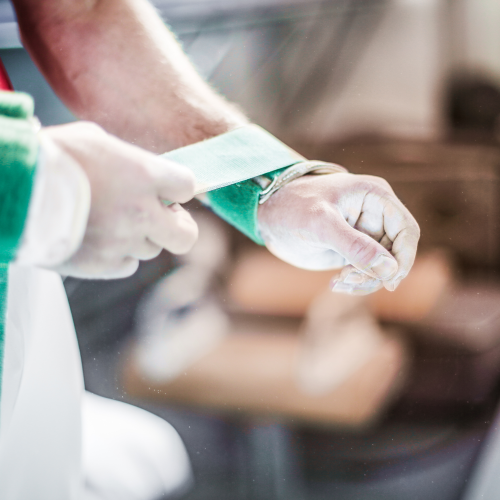
Wrist wraps
Wrist wraps improve wrist stability, ensuring a solid grip on the bar during the squat. This is especially useful when working with heavy loads.
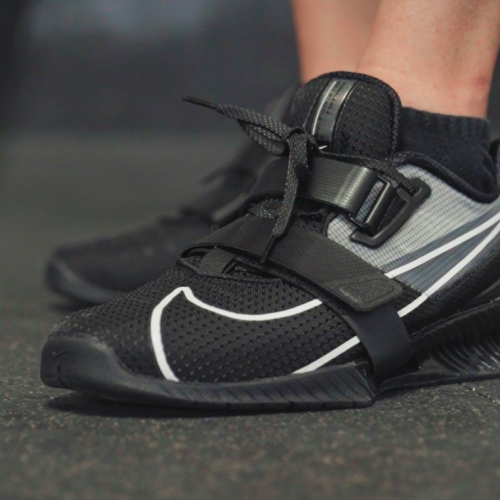
Squat shoes
Squat shoes are designed with an elevated heel, promoting a better posture during the squat. They provide a stable base, contributing to optimal weight distribution and increased mobility for a full-depth squat.
Different types of squat
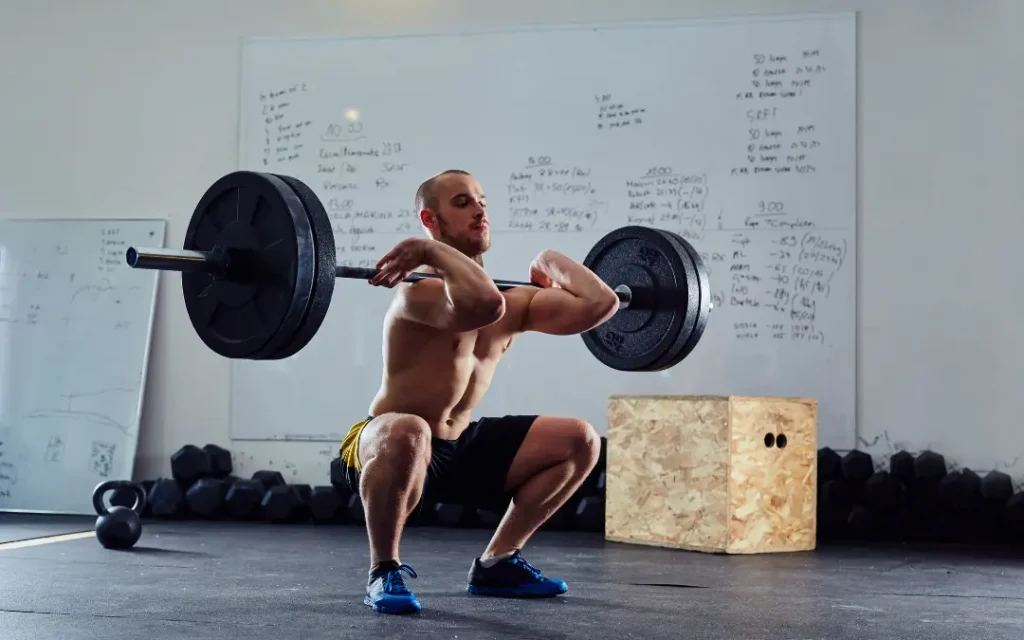
There are different types of squat, suited to everyone:
Full squat
The full squat involves a maximum range of motion where the hips descend below knee level. This variation intensely recruits the quadriceps, hamstrings, and glutes, offering a complete range of movement and promoting overall muscle development. This is the form required in powerlifting and streetlifting competitions.
Front squat
The front squat is distinguished by the bar resting at the front of the shoulders on the clavicle. This variation places greater emphasis on the quadriceps and upper back while demanding more wrist and shoulder mobility. It is an ideal option for those looking to strengthen the front of the legs and improve upper-body posture.
Jefferson squat
The Jefferson squat is an atypical variation where the bar is gripped asymmetrically between the legs. This creates a unique imbalance, working the leg and core muscles differently. This variation adds a new dimension to the traditional squat.
Pistol squat
The pistol squat, or single-leg squat, is a challenge for balance, unilateral strength, and hip flexibility. This intense squat variant is ideal for strengthening each leg independently, correcting muscular imbalances, and improving overall stability.
Half squat
The half squat, as the name implies, involves a partial knee bend, not descending as low as a full squat. This variation primarily targets the quadriceps while reducing stress on the knees. It is an interesting option for those who want to work the muscles of the front of the thigh specifically.
Learn everything about the squat
- Squat strength program: multiply your power
- The guide to progressing at the squat
- How to progress at the squat: complete guide
- Low bar vs high bar squat: the guide
- Dumbbell squat: technique and benefits
- Belt squat: complete guide
- France squat streetlifting records
- World squat streetlifting records
- Buyer’s guide: lifting belt
- Buyer’s guide: squat shoes
- Buyer’s guide: knee sleeves for squat
- The complete guide to streetlifting