

If you are passionate about streetlifting, you should incorporate resistance bands into your warm-up and training routine. In this article, we will walk you through different techniques for attaching a resistance band safely and effectively – whether on a pull-up bar, a vertical bar, or for warming up.
How to Attach a Resistance Band to a Pull-up Bar
The pull-up bar is a versatile piece of upper-body training equipment, and adding resistance bands can intensify your sessions. To attach a band to a pull-up bar, start by choosing a band with the right resistance level. Then wrap the band around the bar so that it is taut. Tie a simple knot to secure the band to the bar. Make sure the band is fully secured before starting your session.

Program or coaching?
Find your ideal format
Answer 4 questions and get a personalised recommendation based on your level and your goals.
Tailored result
Free
How to Attach a Resistance Band to a Vertical Bar
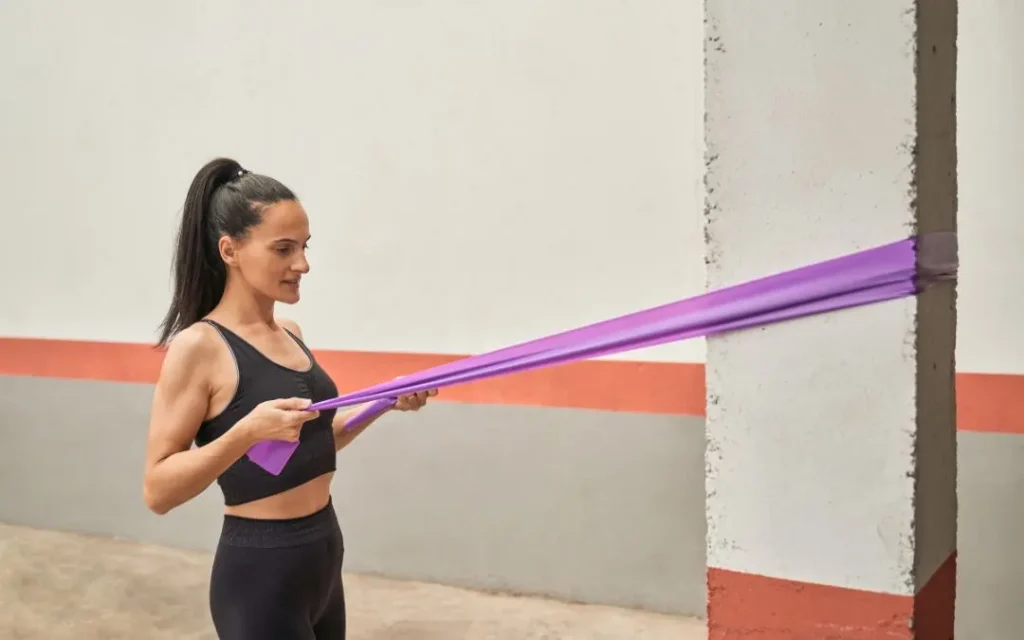
To attach a resistance band to a vertical bar, choose a band suited to your needs. Pass the band behind the bar and grip each end with both hands. You can now perform movements such as rows to work your back muscles. Make sure the band is evenly tensioned on both sides to guarantee a smooth movement throughout the exercise.
How to Use a Resistance Band for Warm-up
Resistance bands are not only for strength exercises – they are also excellent for warming up before an intense training session. Incorporate warm-up movements such as shoulder rotations, leg extensions, and chest openings using the band to add light resistance and prepare your muscles for the effort ahead.
Using Resistance Bands for Pull-ups
Pull-ups are a powerful exercise for building back and arm strength. If you struggle to perform pull-ups without assistance, or on the contrary you want to add extra difficulty, resistance bands can be your best ally.
Reducing Bodyweight Load
Using resistance bands to reduce bodyweight load is an effective way to progress on challenging exercises. Attach the band to a fixed bar and use it as support, reducing the load on your muscles and joints. This can be particularly beneficial for athletes working on advanced movements.
Gradually Increasing Difficulty
One of the advantages of resistance bands is their versatility for adjusting resistance. First, hook the band to your dip belt. Secure the other end of the band to the floor using a weight plate. To gradually increase the difficulty of your exercises, opt for bands with higher resistance. This will stimulate your muscles more and support consistent progression in your training program.