
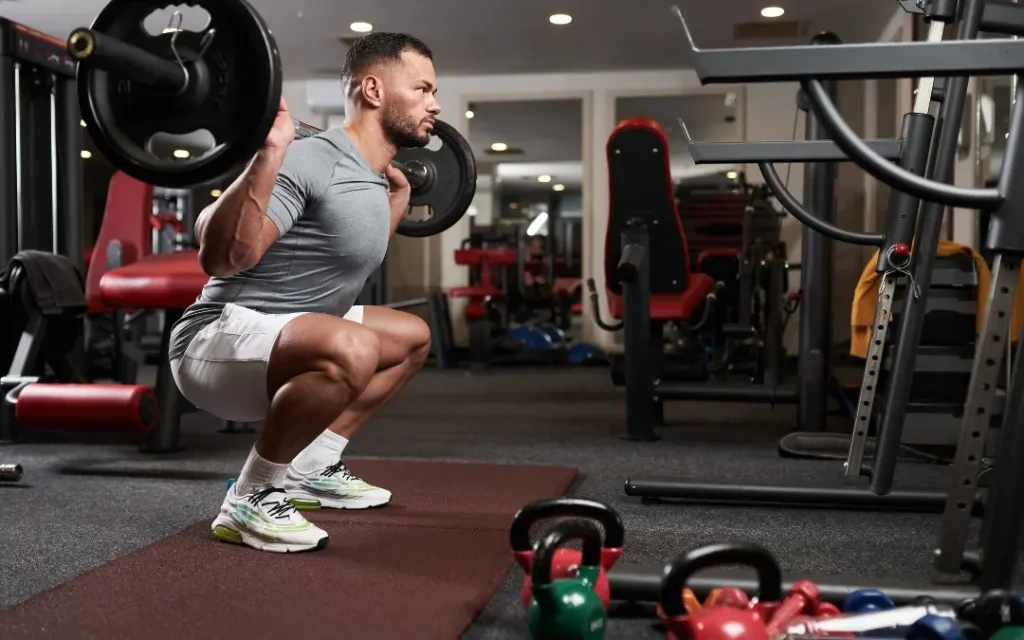
The squat is one of the most complete exercises in strength training and the 4th movement in streetlifting, engaging the legs, glutes, lower back, and core all at once. It is a foundational movement that every lifter – beginner or advanced – must master in order to build solid strength and balanced muscle development. Yet despite its popularity, many athletes struggle to make progress on it. Whether you want to improve your strength, fix your posture, or develop more explosiveness, adopting proper technique and following sound training principles is essential.
Tip #1: Optimize Your Squat Technique
The Importance of Posture and Alignment
One of the first things to work on in order to progress on the squat is technique. Poor technique can limit your performance and increase the risk of injury. The squat primarily targets the quadriceps, glutes, and hamstrings, but these muscles can only work effectively when technique is dialed in.
Your posture must be solid from the very start of the movement. Begin by placing your feet shoulder-width apart with your toes turned slightly outward. Foot placement is critical for ensuring stability and allowing the targeted muscles to work efficiently. From there, keep your chest up and your back straight throughout the entire movement. Maintaining a neutral spinal alignment is essential to avoid compression and strain on the lower back.
Knee alignment is also a key aspect of squat technique. Your knees must track in the direction of your toes and must not cave inward. If your knees collapse, this may indicate weakness in the stabilizing muscles or poor hip mobility. In that case, incorporating corrective exercises to strengthen those areas and improve mobility is crucial. Correct posture allows you not only to lift heavier but also to activate muscles optimally.
Program or coaching?
Find your ideal format
Answer 4 questions and get a personalized recommendation based on your level and goals.
Tailored result
Free
Range of Motion and Depth: How to Work on Them
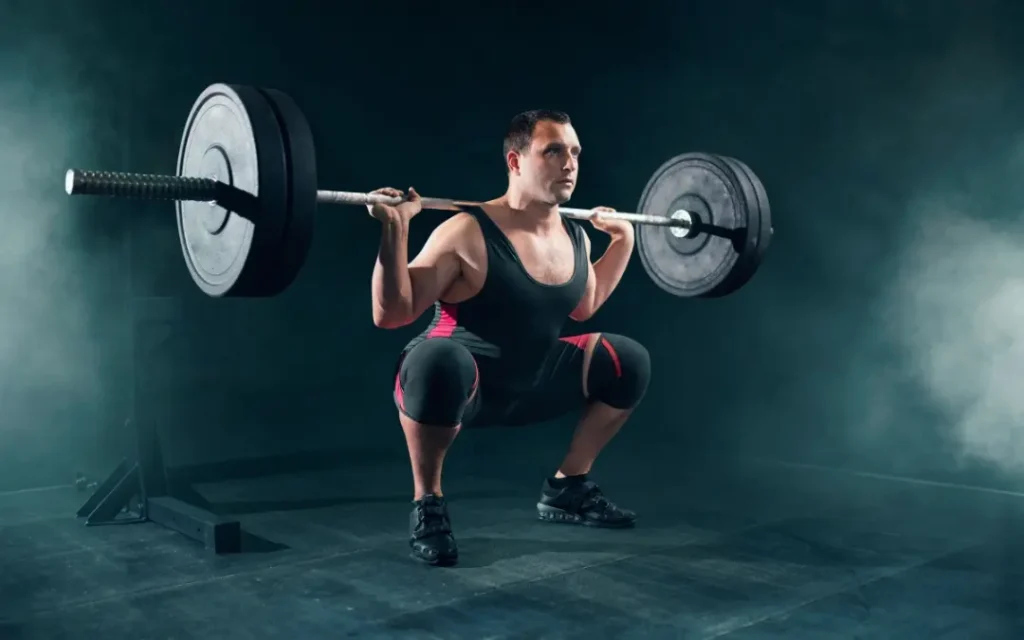
Another crucial component for progressing on the squat is working on your range of motion. Squat depth is often debated, but it ultimately depends on your mobility and strength. The goal is to descend as low as possible while maintaining good posture. This means your hips should drop at least to knee height, or even lower if your mobility allows.
To improve your range of motion, it is important to incorporate specific mobility exercises for the hips, ankles, and knees into your routine. For example, dynamic stretches before your session can help increase your flexibility and allow you to squat deeper. By increasing your squat depth, you recruit more muscle, which leads to greater hypertrophy and increased strength.
Tip #2: Build Strength and Stability
Progressing on the squat is not just about strengthening the quadriceps and glutes. It is equally important to develop the strength of the stabilizing muscles – particularly the core, obliques, and lower back muscles. These muscles play an essential role in maintaining posture and balance throughout the movement.
The stabilizing muscles keep your torso upright and control the descent and ascent during the squat. If these muscles are weak, you risk tipping forward, which can cause back pain and limit your ability to lift heavy loads.
To strengthen these muscles, incorporate specific exercises into your training program, such as planks, back extensions, or bird dogs. These exercises directly target the stabilizing muscles and improve your ability to maintain correct posture under heavy load.
Tip #3: Prioritize Mobility and Warm-Up

A proper warm-up is essential before a squat session. It prepares not only your muscles for the effort ahead but also your joints for handling heavy loads. A squat-specific warm-up should include dynamic movements to raise your core temperature and improve joint mobility.
Dynamic stretches for the hips, hamstrings, and ankles are particularly recommended. Lunges, hip rotations, and calf stretches, for example, can improve your range of motion and reduce the risk of injury. A well-warmed body is more responsive and better able to handle load without compromising technique.
Conclusion
Progressing on the squat requires patience, discipline, and close attention to your technique, your strength, and your recovery. By optimizing your posture and alignment, strengthening your stabilizing muscles, and applying a progressive overload strategy, you will improve your performance on this fundamental movement.