Choosing the right chalk is crucial for any athlete looking to improve their grip during streetlifting, climbing, weightlifting, gymnastics, or any other physical activity that demands optimal traction. In this article, we explore in detail the different types of chalk available on the market, their respective advantages, and give you practical tips to help you pick the one that best fits your needs.
How chalk acts on your grip
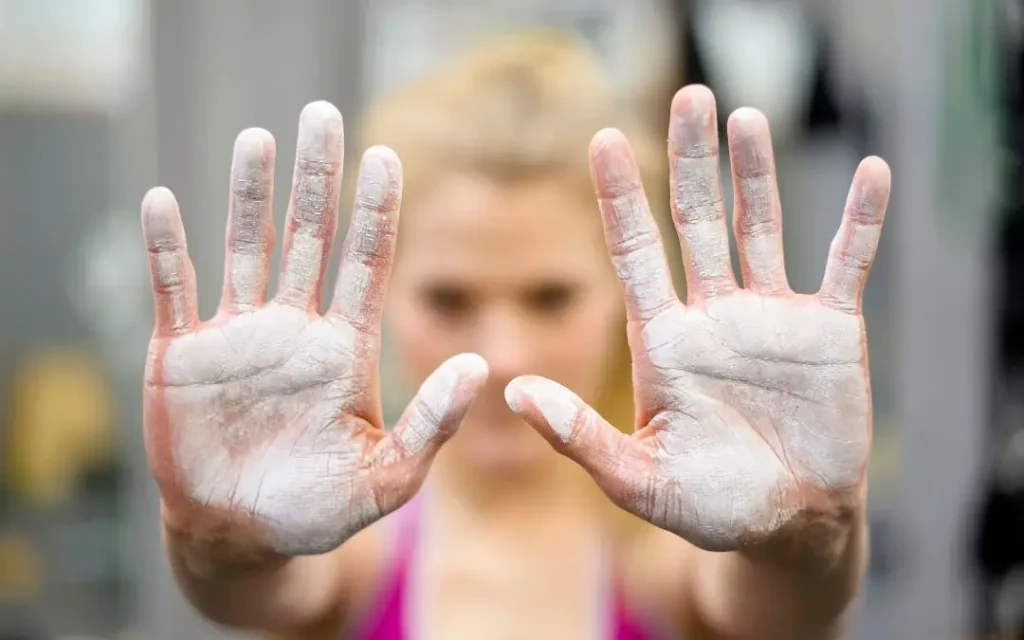
Before diving into the specific types of chalk, it is essential to understand how this substance works on your grip. Chalk, composed mainly of magnesium carbonate, plays a key role in improving grip across a wide range of physical activities. Here is how it works to optimise your traction and boost your performance:
- Moisture absorption: Chalk has the ability to absorb moisture on the skin. When you sweat during exercise, chalk acts as a barrier by soaking up perspiration, which prevents your hands from becoming slippery. This creates a dry surface on the skin, significantly increasing friction between your hands and your equipment.
- Prevention of sweaty palms: Sweaty palms can be a major obstacle to optimal grip, especially during activities such as climbing, weightlifting, or gymnastics. Chalk neutralises the slipping effect of moisture, providing a firmer, more stable hold.
- Formation of a protective layer: In addition to absorbing sweat, chalk forms a thin protective layer on the skin. This barrier creates a textured surface that improves contact between your hands and equipment, enabling a safer grip.
- Reduction of callus formation: Regular use of chalk can help prevent excessive callus build-up. By keeping the skin dry, chalk reduces the excess friction that causes painful calluses, improving both hand comfort and long-term performance.
The different types of chalk
Liquid chalk: the most practical option
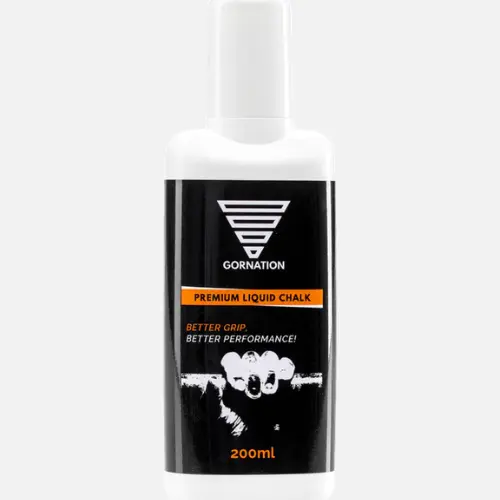
Liquid chalk is the top choice for those who want quick and easy application. It comes in gel form, delivering uniform coverage across the hands. This variant is often preferred by athletes who want to avoid chalk clouds and prefer a more discreet solution. It is also recommended if you train in a public gym.
Block chalk: a great alternative
Chalk blocks are compact and portable. They allow precise application simply by rubbing the block over your hands. This option is particularly well suited to athletes who want to control the amount of chalk used and minimise waste.
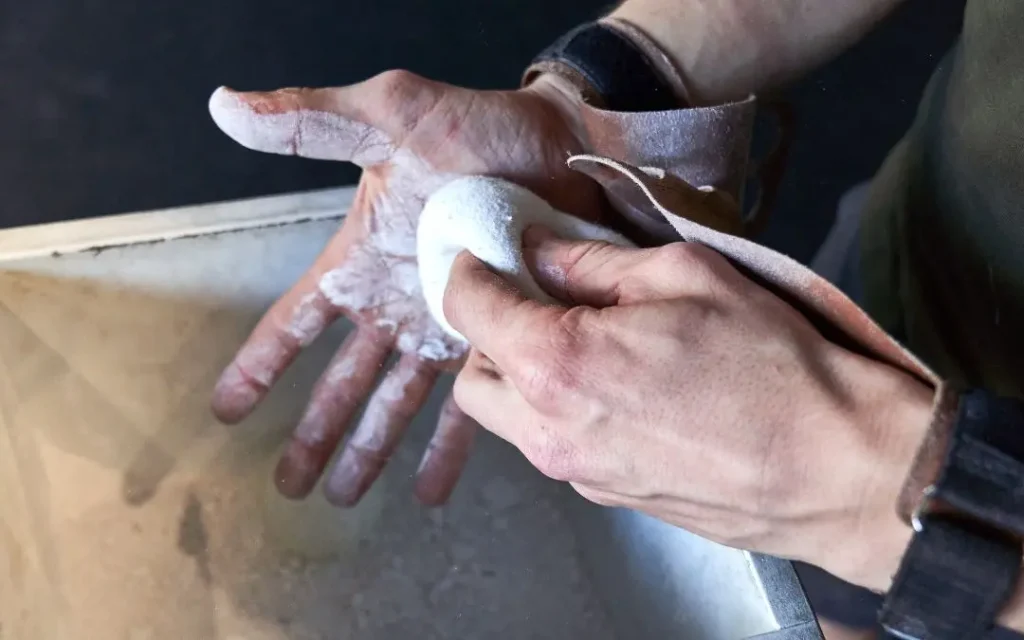
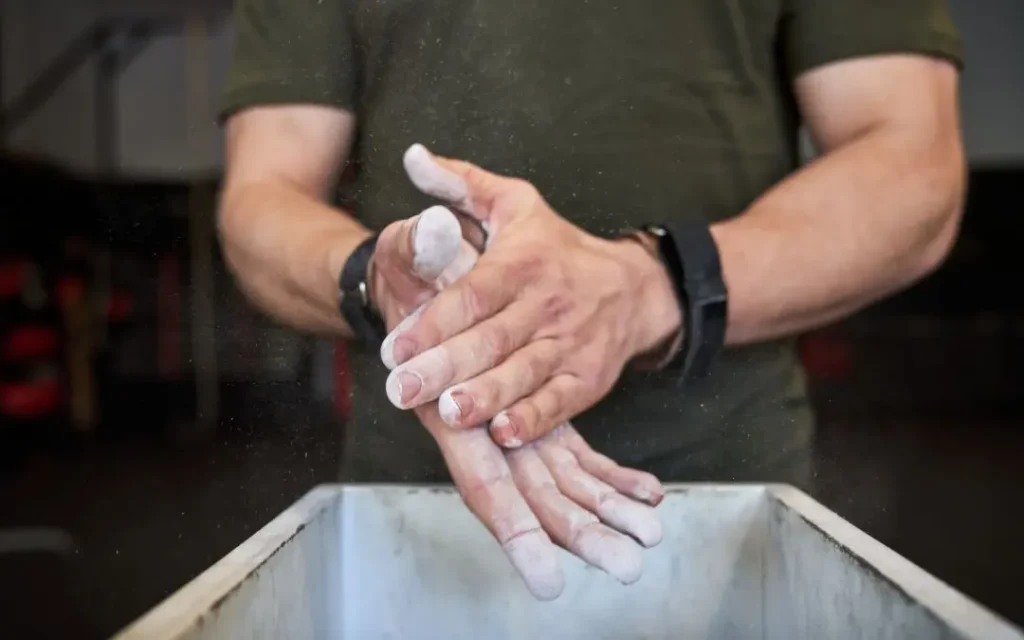
Powder chalk: the budget-friendly choice
Powder chalk is perhaps the most traditional and economical form. It offers excellent grip but can create a mess as it disperses into the air. Nevertheless, many athletes favour this option for its affordable price and proven effectiveness.
Which chalk should you choose? Our advice
The composition of chalk varies depending on the type. However, most formulations include magnesium carbonate, a white mineral commonly used to improve grip.
We recommend liquid chalk. It is the easiest form to carry, the least messy, and the longest lasting. In most cases you only need to apply it once before your weighted pull-up or weighted dip session.
Our recommendation is Gornation liquid chalk:
Gornation liquid chalk
Premium liquid chalk
- Long-lasting ultimate grip for maximum training performance.
- Large 200 ml bottle suited to basic exercises, skill work, weighted movements, and freestyle.
- Airtight cap guarantees optimal quality right to the last application.
- Pleasant scent thanks to an innovative formula.
- Minimal dust creation and an easily washable consistency.
- Contents: 200 ml per bottle.
Why choose this product?
- Premium quality.
- Pleasant smell.
- Dries fast on the hands.
Why use chalk
Applying chalk goes beyond simply improving your grip. It also provides protection against excess moisture that can make hands slippery and helps prevent callus formation. By investing in a quality chalk, you can extend your endurance and improve your overall performance.
How to use chalk during your session
Application method depends on the type you have chosen. For liquid chalk, spread it evenly over your hands and let it dry. Block chalk requires vigorous rubbing, while powder chalk should be distributed generously across the palms. Always follow the manufacturer’s instructions for best results.
Chalk also helps secure movements like the squat, keeping the bar firmly in contact with your back so it does not slide during your leg drive.