
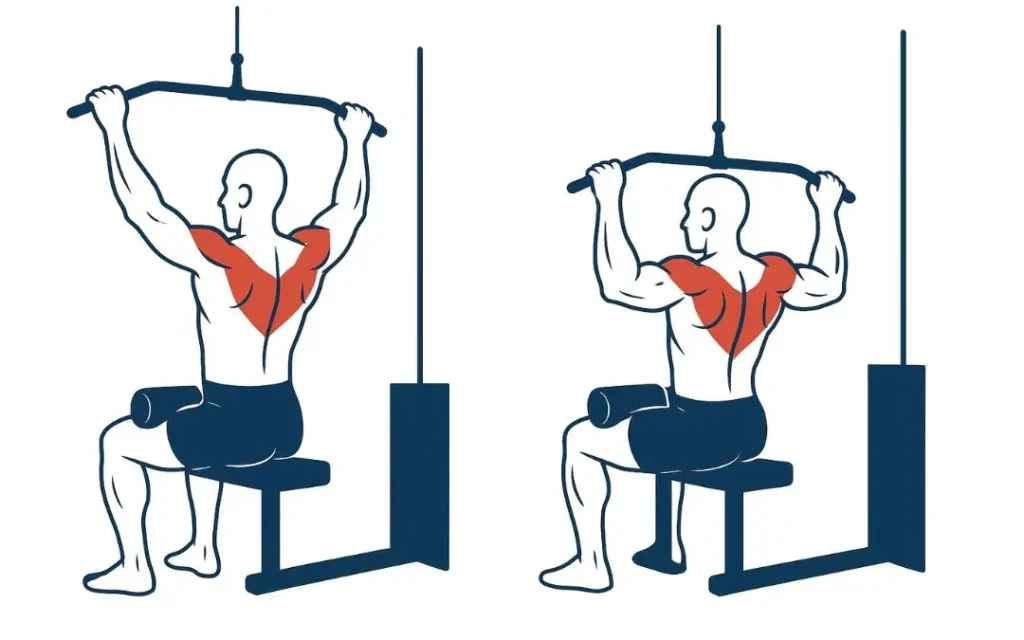
The behind the neck press is an iconic shoulder exercise widely used by athletes and fitness enthusiasts alike. It primarily targets the deltoid muscles and, when performed correctly, contributes greatly to building a powerful and balanced physique. However, the behind the neck press requires precise technique and careful attention to detail to avoid injury risks and maximize muscle gains. In this article, I will guide you step by step through the different stages, covering everything from technique to mistakes to avoid, as well as the benefits and muscles targeted.
Exercise Technique
The behind the neck press is an exercise that demands rigor and precision. It involves lifting a barbell behind the head, which can be challenging for beginners or those with limited shoulder mobility. Good technique is essential to avoid injuries and optimize results. Here are the steps to follow to perform the movement correctly:
-
Starting position: Position yourself under a barbell fixed on a rack. Your grip should be slightly wider than shoulder width. Make sure your feet are firmly planted on the ground for a stable base.
-
Body alignment: Keep your back straight and avoid exaggerating the lumbar curve. Lightly brace your core to stabilize your posture and maintain a neutral spine.
-
Lowering the bar: Inhale as you slowly lower the bar behind your head until it reaches the base of your neck. Do not lower it too far to protect the shoulder joint.
-
Pressing up: Exhale as you press the bar upward, keeping your back straight. Do not fully lock out the elbows so you maintain continuous tension on the shoulders.
Program or coaching?
Find your ideal format
Answer 4 questions and receive a personalized recommendation based on your level and goals.
Tailored result
Free
Muscles Targeted
The behind the neck press is an exercise that primarily engages the shoulder muscles, much like the pike push-up or the military press, but it also recruits other muscles to stabilize and control the movement.
-
The deltoids: The deltoid muscles are the primary muscle group engaged during the behind the neck press. The anterior, medial, and posterior deltoids work together to lift the bar and stabilize the shoulder.
-
The triceps: Although the shoulders are the main muscles involved, the triceps play an important role in arm extension.
-
The trapezius: The trapezius muscles are also engaged to stabilize the shoulders during the movement and support posture.
-
The rotator cuff muscles: These small stabilizing muscles are crucial for proper execution of the behind the neck press. They keep the shoulder in position and control the movement.
What Are the Benefits of the Behind the Neck Press?
The behind the neck press offers many benefits for those looking to build a powerful physique and strengthen their shoulders, similar to the seated dumbbell shoulder press. Here are some of the main advantages of this exercise:
-
Shoulder development: The exercise is excellent for developing wide, well-defined shoulders. The movement effectively stimulates the deltoids for fast and visible results.
-
Improved posture: The behind the neck press helps strengthen the muscles that support posture, particularly the trapezius and rotator cuff muscles. This allows you to maintain a straight back and avoid rounded shoulders.
-
Functional strength: By strengthening the shoulder and upper back muscles, the behind the neck press also helps improve the functional strength needed in other exercises such as deadlifts or squats.
-
Muscle balance: Many athletes neglect the posterior deltoids. The behind the neck press promotes balanced muscle development, which is essential for avoiding imbalances and preventing injuries.
-
Coordination and stability: By engaging the stabilizing muscles, the behind the neck press improves coordination and stability of the shoulder joint.
How to Perform the Behind the Neck Press?
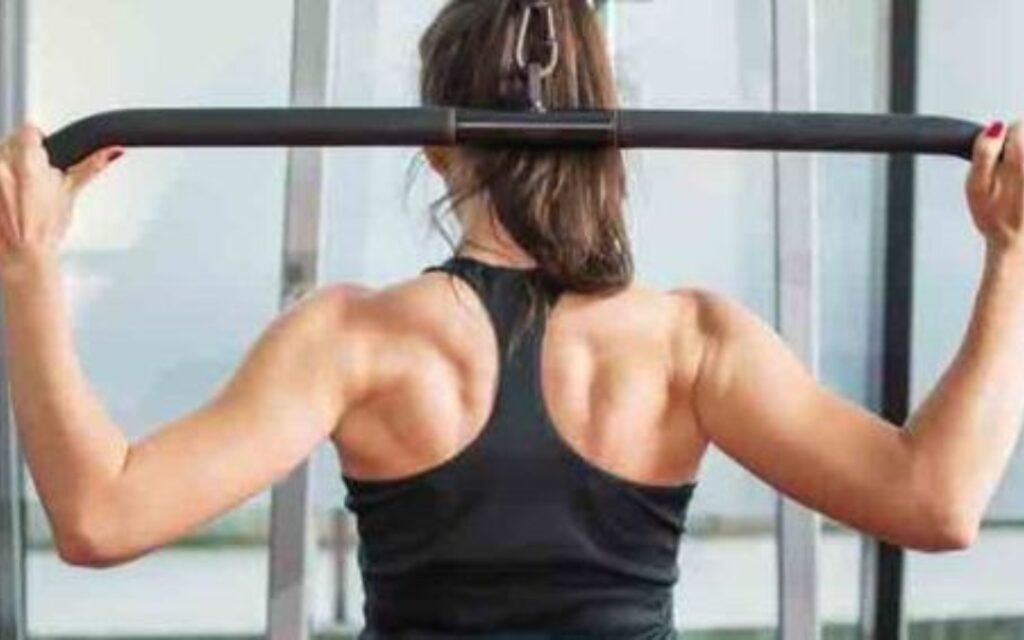
Learning the correct execution of the behind the neck press requires a progressive approach. To fully understand this exercise, it is important to focus on the key points of execution.
Execution of the Behind the Neck Press
-
Setup: Set the barbell on a rack at shoulder height. Use a grip slightly wider than your shoulders for good stability.
-
Positioning: Hold the bar with your palms facing forward. Lift it and position it behind your head. Your elbows should be in line with your shoulders.
-
Downward movement: Slowly lower the bar until it reaches the base of your neck. Avoid lowering it too far to protect your joints.
-
Upward movement: Press the bar upward while exhaling, without fully locking out your elbows. Keep tension on the shoulders for better muscle recruitment.
-
Breathing: Inhale on the way down and exhale on the way up.
Mistakes to Avoid to Stay Injury-Free
The behind the neck press carries certain risks if the execution is not well mastered. Here are the most common mistakes to avoid to stay safe during this exercise.
-
Grip too narrow or too wide: An incorrect grip can overload the shoulders and reduce the effectiveness of the exercise. Use a grip slightly wider than your shoulders.
-
Lowering the bar too far: Many practitioners make the mistake of lowering the bar too far behind the head. This can create tension on the rotator cuff, increasing the risk of injury.
-
Excessive back arch: Exaggerating the lumbar curve puts unnecessary pressure on the spine. Keep your back straight and engage your core to stabilize the body.
-
Using too much weight: Starting with too heavy a load risks compromising form and increasing the risk of injury. Progress gradually and do not overload beyond your capabilities.
-
Skipping the warm-up: As with all exercises involving the shoulders, it is essential to warm up properly before performing the behind the neck press. Prioritize warm-up exercises for the shoulders and arms to prepare the joints.
Coach’s Conclusion
In summary, the behind the neck press is an exceptional exercise for anyone looking to develop powerful shoulders and good posture. By using precise technique and avoiding common mistakes, you will be able to take full advantage of the benefits of this exercise. Remember that progress in strength training happens over the long term. Be patient and adopt a progressive approach to achieve solid, lasting results.
Start Here
- Streetlifting Program
- Weighted Muscle Up Program
- Weighted Pull-Up Program
- Weighted Dip Program
- Squat Program
Check Out Other Exercises to Build Your Shoulders
- Face Pull
- Reverse Pec Deck
- Bent-Over Reverse Fly
- Seated Dumbbell Shoulder Press
- Pike Push-Up
- Military Press