
Streetlifting – a discipline that blends strength and athleticism – is attracting more and more athletes looking for performance and personal challenge. To maximise their potential and reach their goals, many turn to dietary supplements, and creatine is among the most popular. But why use creatine in streetlifting? This article takes a deep dive into the topic, highlighting the benefits, how to use it, and the precautions you should take to integrate creatine effectively into your training routine.
What is creatine?
Creatine is a compound naturally present in the human body, mainly in skeletal muscle. Synthesised from three amino acids – arginine, glycine, and methionine – it plays a crucial role in energy production. During intense, short-duration efforts like those demanded by streetlifting, creatine helps regenerate adenosine triphosphate (ATP), the primary source of cellular energy.
Origins and forms of creatine
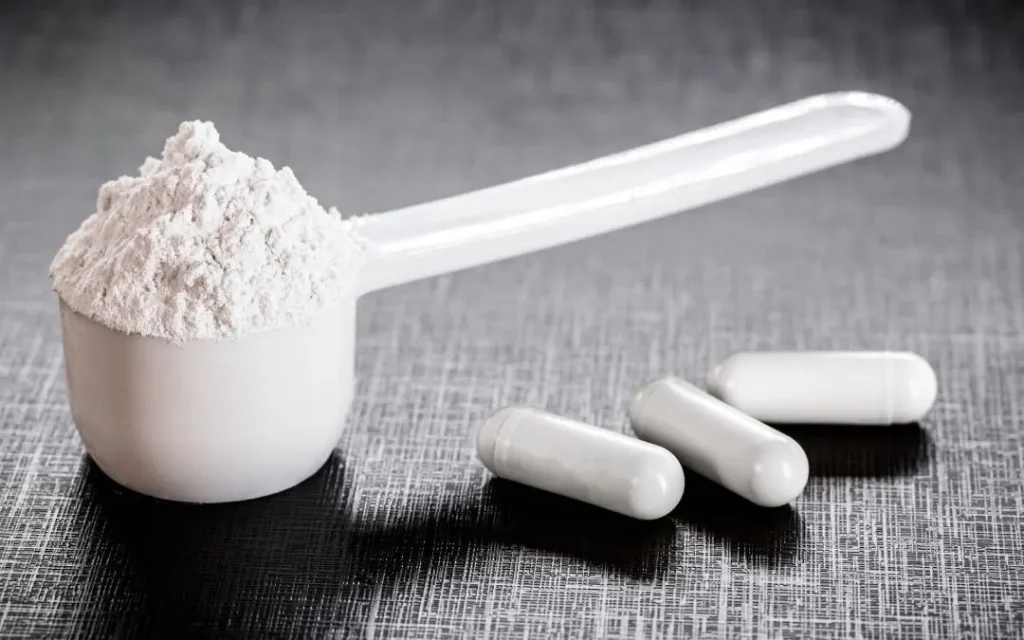
Creatine can be obtained through diet, mainly from meat and fish, but also in the form of dietary supplements. Creatine supplements are generally sold as creatine monohydrate, which is the most studied and most effective form. Other forms include creatine ethyl ester and creatine hydrochloride, each with their own characteristics and potential advantages.
Mechanism of action
By increasing phosphocreatine stores in the muscles, creatine allows rapid ATP production, which is essential for the explosive, repetitive efforts that characterise streetlifting. This mechanism helps improve strength, power, and muscle recovery, making creatine particularly useful for streetlifting athletes.
Program or coaching?
Find your ideal format
Answer 4 questions and get a personalised recommendation based on your level and your goals.
Tailored result
Free
Benefits and advantages of creatine in streetlifting

Integrating creatine into a streetlifting programme can transform your performance and your results. Here is a detailed look at the main benefits of this supplement.
Increased strength and power
Creatine is widely recognised for its ability to increase muscular strength and power. Streetlifting athletes, who perform demanding movements such as weighted pull-ups, weighted dips, and weighted muscle ups, can benefit greatly from this effect. Studies show that creatine can improve performance during high-intensity exercise and explosive efforts, which are essential in this discipline.
Improved recovery
Recovery is crucial for any athlete looking to maximise muscle gains and performance. Creatine helps reduce muscle damage and inflammation after intensive training sessions, facilitating faster and more effective recovery. This allows you to train more frequently and more intensely – a major asset in streetlifting.
Increased muscle mass
Beyond strength and recovery, creatine also promotes muscle growth. By improving the capacity of muscles to retain water, it creates an environment favourable to protein synthesis and muscular hypertrophy. For streetlifting practitioners, this translates into fuller, better-defined muscles, enhancing both aesthetics and performance.
Cognitive performance and mental fatigue
Creatine does not only bring physical benefits. It also has positive effects on cognitive function and the reduction of mental fatigue. During particularly intense streetlifting sessions, this cognitive boost can help maintain concentration and motivation, which is crucial for overall performance.
How and when to take creatine?
To get the most out of creatine, it is essential to know how and when to take it. Here are some tips to optimise its use in the context of streetlifting.
Recommended dosage
The standard dose of creatine is 3 to 5 grams per day. Some people prefer to start with a loading phase, taking 20 grams per day for 5 to 7 days, followed by a maintenance dose of 3 to 5 grams. This method saturates the muscles with creatine quickly, but is not essential to obtain results.
Timing
The timing of creatine intake can influence its effectiveness. Although the effects of creatine manifest with continued use, some studies suggest that taking it post-workout may maximise its benefits. This is explained by better nutrient absorption during the anabolic window after training.
How to consume it
Creatine dissolves easily in water, protein shakes, or other drinks. To improve absorption, it is advisable to consume it with fast-digesting carbohydrates, which raise the insulin peak and facilitate the transport of creatine to the muscles. Some supplements combine creatine with other ergogenic substances, but creatine monohydrate remains the most effective and most economical form.
Risks and dosage
As with any dietary supplement, it is crucial to understand the potential risks and the correct dosage of creatine to avoid any unwanted effects.
Potential side effects
Creatine is generally well tolerated, but it can cause side effects in some people. The most common include gastrointestinal issues such as cramps and bloating. Adequate hydration is essential to minimise these effects, as creatine increases water retention in the muscles.
Precautions
It is recommended to consult a healthcare professional before starting creatine supplementation, especially for people with a history of kidney problems or other medical conditions. Although studies show that creatine is safe for most people, medical monitoring may be necessary for certain individuals.
Supplementation longevity
Creatine can be taken continuously without requiring a break, unlike some other supplements. However, it can be beneficial to cycle creatine – taking occasional breaks – to assess your body’s needs and avoid unnecessary saturation.
Conclusion
Creatine is a powerful ally for streetlifting practitioners, offering significant advantages in terms of strength, recovery, and muscle growth. By understanding how and when to use this supplement, and by being aware of the possible side effects, you can optimise your performance and reach your goals faster. So why not integrate creatine into your streetlifting routine today and see the improvements for yourself? With creatine in your corner, your limits become challenges to overcome.