

The ring muscle up is often considered the pinnacle of street workout and gymnastics exercises. It is not only a physical challenge but also a demonstration of strength, balance, and coordination. In this technical and progression guide, we will explore the key elements of this demanding move, focusing on technique, tips to keep progressing, and advice to avoid injuries.
Understanding the Ring Muscle Up Technique
The muscle up on rings demands considerable technical mastery and strength. To start, the strong grip – a firm hand hold on the rings – is essential. This firm grip creates a stable foundation for the ascent ahead.
The Strong Grip
The strong grip is the foundation of the ring muscle up. By wrapping your hands around the rings, you create a solid connection between you and the ring. A good grip combined with chalk reduces the risk of slipping and maximises your control throughout the movement. The strong grip also lets you position your hands from the start in a dip position, which makes the transition easier.
Program or coaching?
Find your ideal format
Answer 4 questions and get a personalised recommendation based on your level and goals.
Tailored result
Free
Activating the Back Muscles
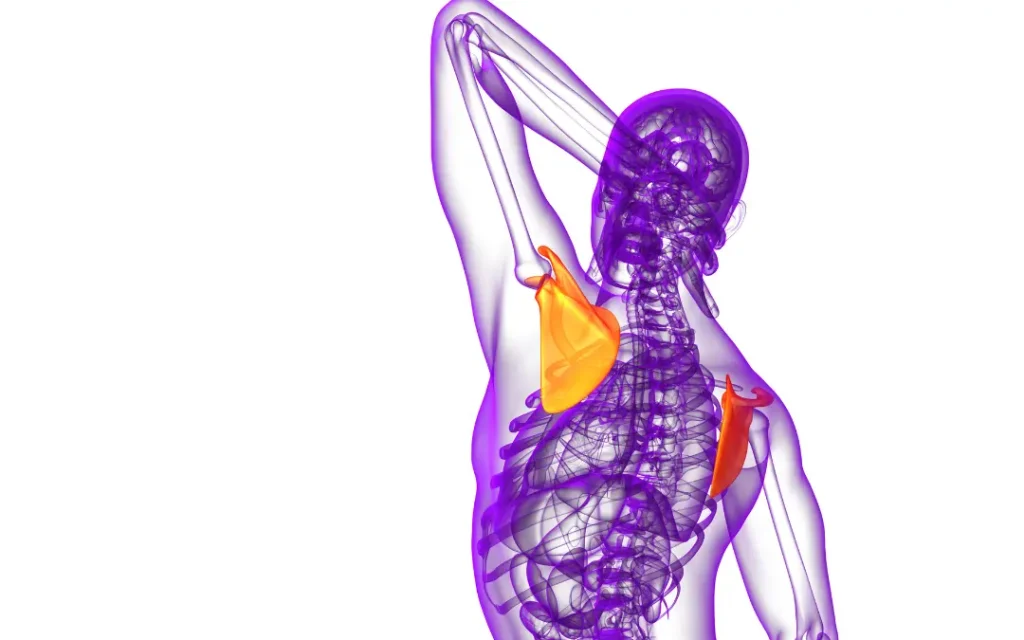
Adequate back muscle activation is crucial for a successful ring muscle up. With a slight rotation of the elbows, engage your scapulae. This will allow you to recruit your entire back and reduce tension in your arms.
The Pull Phase
With a slight swing, initiate your pull as explosively as possible. For a strict movement, keep your legs straight and avoid kipping. During the pull, brace your abs, glutes, and legs. Note: do not pull as you would on a standard pull-up – the goal is to start the movement on the return of the swing, which will help you get above the rings.
The Transition
The transition from the bottom to the top of the ring muscle up is a delicate phase. Use your shoulder strength to guide this transition smoothly. By leaning your torso slightly forward, you effectively engage the muscles needed for this critical step.
The Dip
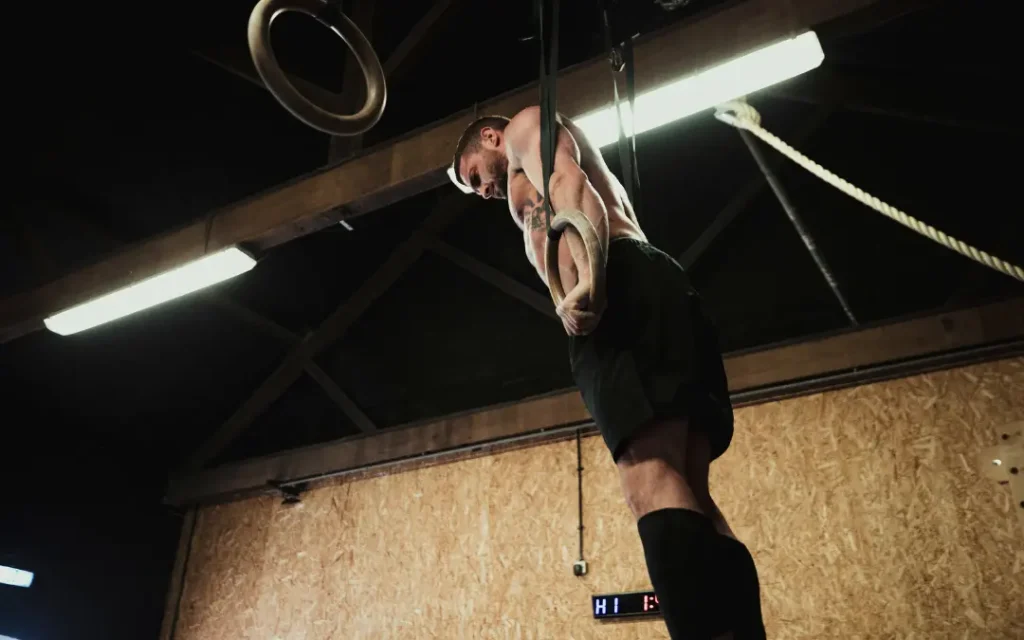
Once the transition is completed, the final phase of the ring muscle up is the dip. Maintain your core tension and engage your chest to press up until your arms are fully extended. Congratulations – you have completed your ring muscle up!
Tips to Progress on the Ring Muscle Up
Although mastering the ring muscle up may seem daunting at first, specific tips can accelerate your progress.
Chest Pull-ups

Strengthen your pulling power and explosiveness with chest pull-ups on the bar to improve stability and power. This exercise will make you much stronger and faster through the first half of the ring muscle up.
Perform 3 sets of 4 repetitions as explosively and controlled as possible. You can add weight via a dip belt if it becomes too easy.
Ring Dips
Incorporate ring dips into your training routine to further strengthen the muscles needed for the final phase of the movement. The key is to perform 4 sets of 10 repetitions, focusing on movement form and core tension.
L-Hold

The L-hold is a key position for developing core strength. By working on this position, you improve your overall stability. Hang from the rings or a bar and perform 3 sets of 10-second holds. You can add seconds if it becomes too easy.
Eccentric Transition
Practice the eccentric transition by slowly lowering yourself from the top to the bottom of the movement. This strengthens the muscles involved while improving control and reducing the risk of injury to joints and tendons. You will also get your body used to the transition – the movement will become natural and instinctive during your training sessions.
Progressing on the Ring Muscle Up Without Getting Injured
While the ring muscle up offers countless benefits, it is crucial to progress gradually to avoid injuries.
By following a methodical progression, incorporating targeted strength exercises, and listening to your body, you can achieve the ring muscle up safely and effectively.