
Belt Squat
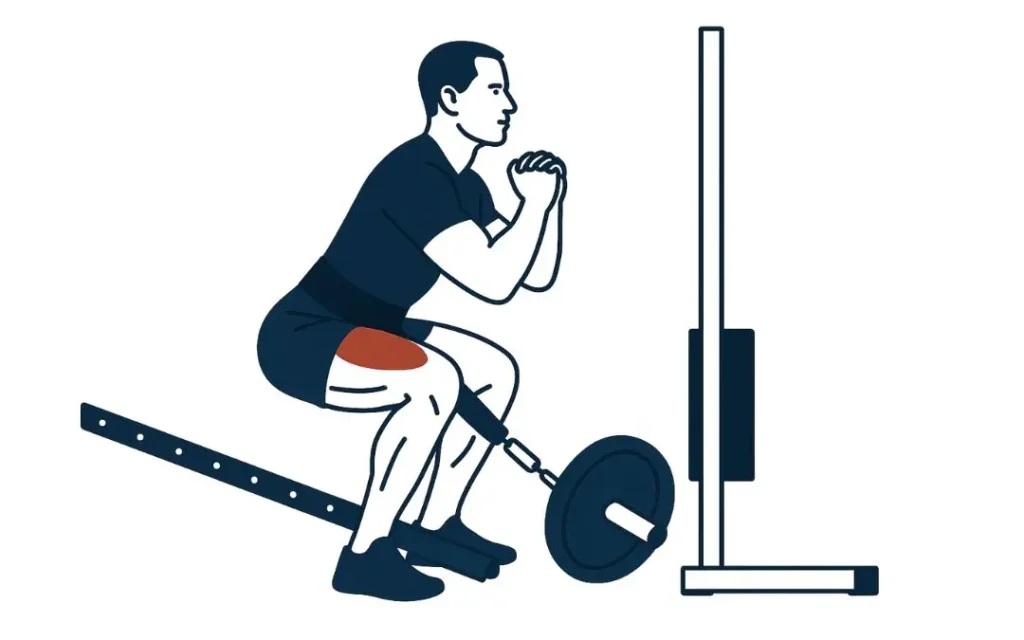
The belt squat is an exercise that is gaining popularity in gyms for its ability to effectively target the leg muscles while relieving the lower back. Although less well known than the traditional squat, this exercise is an excellent choice for athletes looking to build strength and hypertrophy without risking overloading the spine. In this article, we will explore every aspect of this movement: from technique to specific benefits, common mistakes, and tips for performing it correctly.
Exercise Technique
The technique of the belt squat differs from the traditional squat because of the position of the load. Rather than being placed on the shoulders, the load is attached to a belt worn around the hips. This unique positioning targets the legs without putting pressure on the back. This exercise is therefore an excellent alternative to more classic movements such as the kettlebell sumo squat for athletes who have back restrictions or lower back pain.
In 1 minute
Program or coaching?
Find your ideal format
Answer 4 questions and receive a personalized recommendation based on your level and goals.
- 1 min flat
- Tailored result
- Free
Target Muscles
The belt squat emphasizes the same primary muscles as the classic squat or the air squat – namely the quadriceps, glutes, and hamstrings – but reduces tension on the stabilizing muscles of the back. The quadriceps, the muscles at the front of the thigh, are the primary drivers of this exercise, providing powerful muscle development and strength.
The glutes, which are crucial muscles for pelvic stability, also receive effective activation, thereby improving posture and power. The hamstrings, located at the back of the thighs, are engaged as stabilizers to support the movement. This targeted work makes the belt squat particularly advantageous for athletes in strength or endurance sports.
Advantages of the Belt Squat Over the Classic Squat
The belt squat offers several unique advantages compared to the classic squat:
- Reduced back pressure: The positioning of the load at hip level eliminates pressure on the spine, making this exercise safer for those with back issues.
- Better leg isolation: With the belt squat, the majority of the effort is concentrated on the legs. This type of squat is particularly effective for quad development without interference from the back muscles.
- Improved mobility: By not involving the back, the belt squat allows you to emphasize the range of motion at the hips and knees, promoting overall lower-limb mobility.
- Increased safety: Thanks to the stable support and the belt, the risk of injury is lower compared to free-weight squats, especially for beginners.
How to Do a Belt Squat
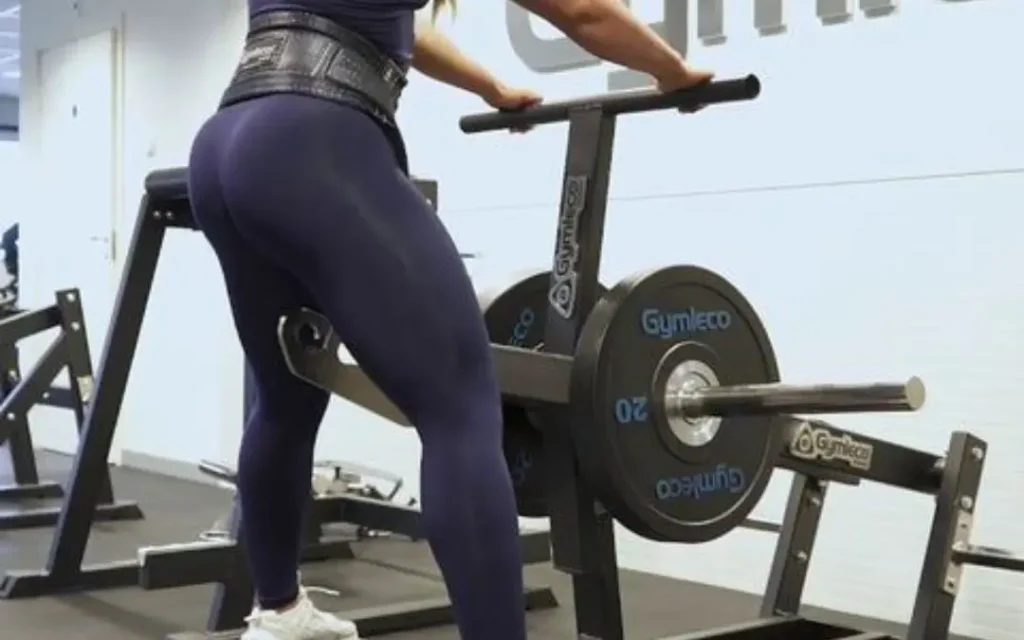
The belt squat requires adequate preparation to ensure correct execution. Let’s look in detail at the preparation and execution steps to maximize the benefits of this exercise.
Preparation for the Belt Squat
- Choose the right belt: Make sure you have a sturdy belt capable of supporting the weight. The belt should be adjusted firmly around your waist.
- Set up the machine or equipment: Gyms equipped with belt squat machines make practice easier, but you can also use a low pulley to improvise a similar setup.
- Warm up your legs and hips: As with any exercise, a good warm-up is essential. Focus on exercises like bodyweight squats and stretches to improve hip and knee flexibility.
Executing the Movement
- Starting position: Stand on the machine platform or in front of the pulley. Keep your feet shoulder-width apart with toes slightly pointed outward.
- Controlled descent: Bending your knees, lower yourself slowly until your thighs are parallel to the floor or slightly below.
- Push back up: Drive your heels into the floor and push with your quadriceps and glutes to return to the starting position. Keep the movement smooth and controlled throughout the exercise.
Mistakes to Avoid to Prevent Injury
- Poor posture: Hip and torso position is crucial. Avoid leaning forward, as this can put excessive pressure on the knees and reduce the effectiveness of the exercise.
- Excessive load: Using too heavy a weight can compromise posture and increase the risk of injury. Start with a moderate weight to get used to the movement.
- Insufficient range of motion: Do not go too low or too little, as an improper range of motion can reduce the effectiveness of the muscle work and increase pressure on the joints.
Coach’s Conclusion
The belt squat is an essential exercise for those looking to increase leg strength without compromising their back. Thanks to its ability to target the quadriceps, glutes, and hamstrings while offering increased safety, this exercise is ideal for athletes of all levels. By following the right techniques and avoiding common mistakes, the belt squat can become a cornerstone of your training program, guaranteeing strength gains and better stability.
Check Out Other Exercises to Build Your Quadriceps